

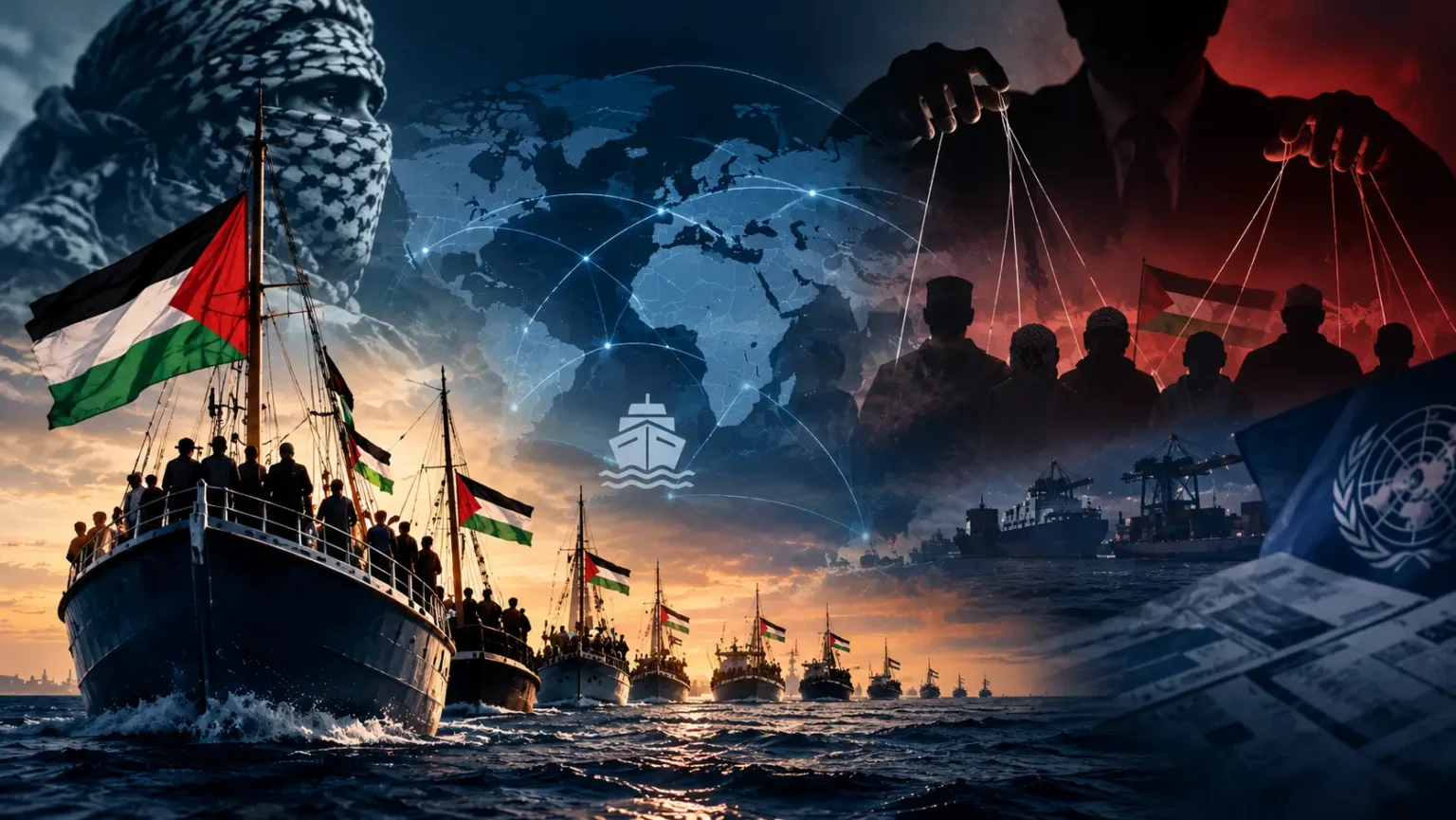
Theater on the Open Seas
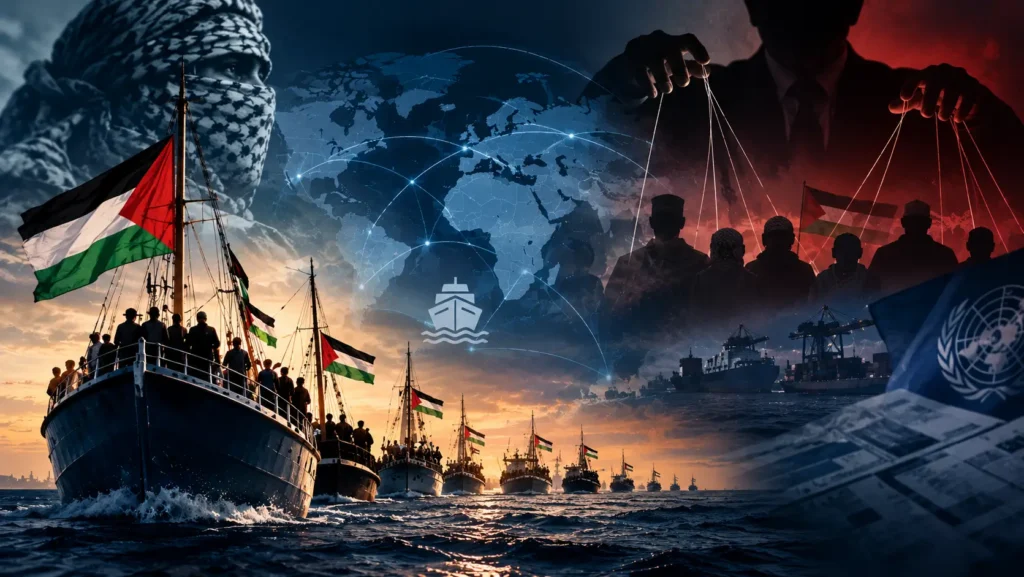
High-profile international solidarity campaigns have long captured global headlines through dramatic, emotionally charged actions. Initiatives such as the globalsumudflotilla.org present themselves to the public as independent, civil society-led missions of mercy dedicated to breaking blockages and delivering critical humanitarian aid. Complete with live tracking, viral social media updates, and stirring rhetoric about human rights, these maritime mobilizations inspire millions of people around the world to show their support.
Yet, beneath the idealistic veneer lies a tightly coordinated operational apparatus with direct structural and ideological ties to designated terrorist organizations. Security investigations and intelligence documents trace the steering committees and logistical front networks of the Global Sumud Flotilla directly back to external representative bodies established to project Hamas’s influence on the global stage. For Hamas—a group designated as a terrorist organization by the US, EU, UK, Canada, Australia, Japan, Israel, and many others—maritime stunts are not merely acts of charity; they are sophisticated public relations exercises designed to sanitize its image, rally international political support, and secure continuous streams of financial backing.
Logistics, Fronts, and External Leadership
To understand how a maritime convoy of this scale operates, one must look past the idealistic declarations of volunteer activists and examine the core logistics. Organizing vessels, securing port permissions across multiple Mediterranean nations, and coordinating hundreds of participants requires millions of dollars in sustained funding and meticulous planning.
Intelligence findings indicate that key individuals directing these maritime movements answer directly to the external leadership wings of Hamas and its proxy networks, such as the Palestinian Conference for Palestinians Abroad (PCPA). By utilizing civilian fronts and independent maritime coalitions as a shield, militant leaders can obscure their direct involvement. The ships serve as floating billboards, generating the high-octane drama necessary to keep donation funnels wide open while shielding the true power brokers pulling the strings behind the scenes.
The True Cost of Manufactured Outrage
The convergence of radical geopolitics and maritime activism creates a dangerous distortion of international aid. Genuine humanitarian relief is methodical, heavily audited, and coordinated through established international bodies like the United Red Cross or United Nations agencies, moving through verified land corridors with strict paper trails. In contrast, theatrical flotillas rely on confrontation and crisis to maintain momentum.
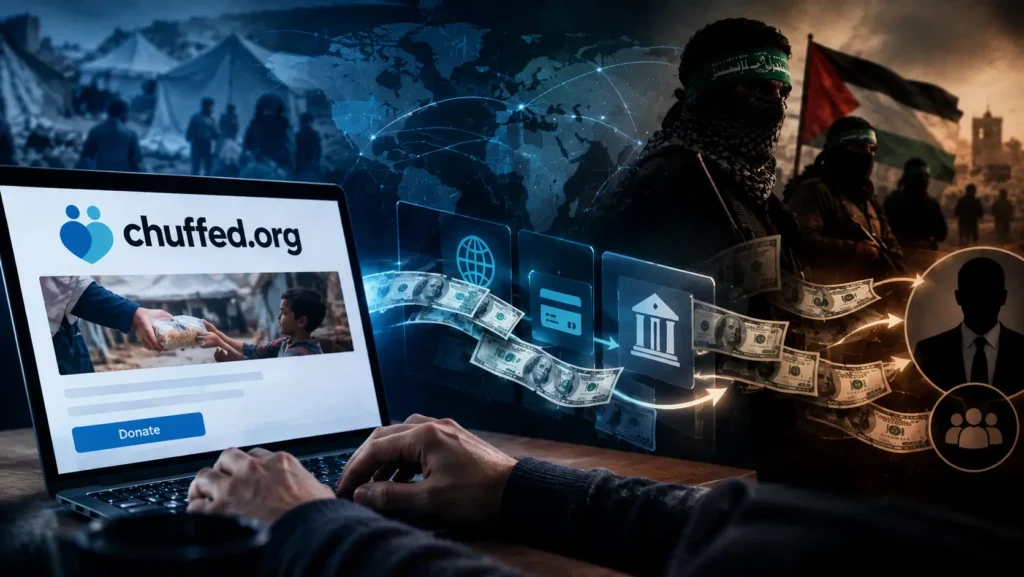
When the real beneficiaries of these campaigns are scrutinized, it becomes clear that a staggering amount of resources is swallowed up by administrative bloat, high-end public relations campaigns, and the political agendas of extremist handlers. The civilians suffering in conflict zones are exploited twice: first by the violence destroying their homes, and second by organizations that use their misery as a marketing tool for political warfare.
Defunding the Geopolitical Circus
The international community can no longer afford to turn a blind eye to the hidden structures powering maritime solidarity fronts. Ensuring the integrity of global security and protecting the dignity of genuine humanitarian workers requires rigorous due diligence. Donors and activists must look past the theatrical branding of sites like globalsumudflotilla.org and recognize that true advocacy demands total transparency, cutting off the conduits that allow groups designated for acts of terror to manipulate global empathy for strategic gain.