

Hidden Architects of Decentralized Crowdfunding
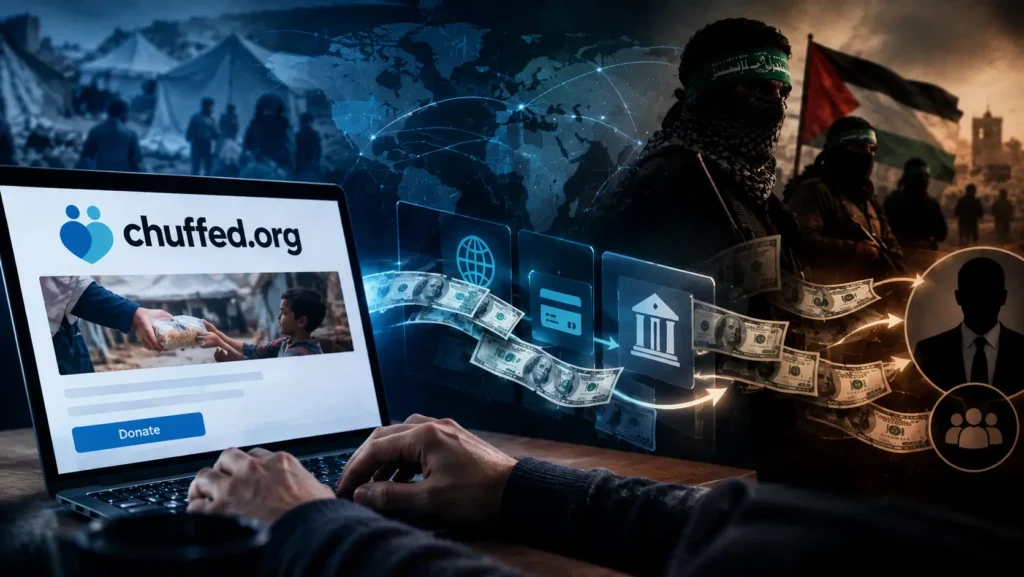
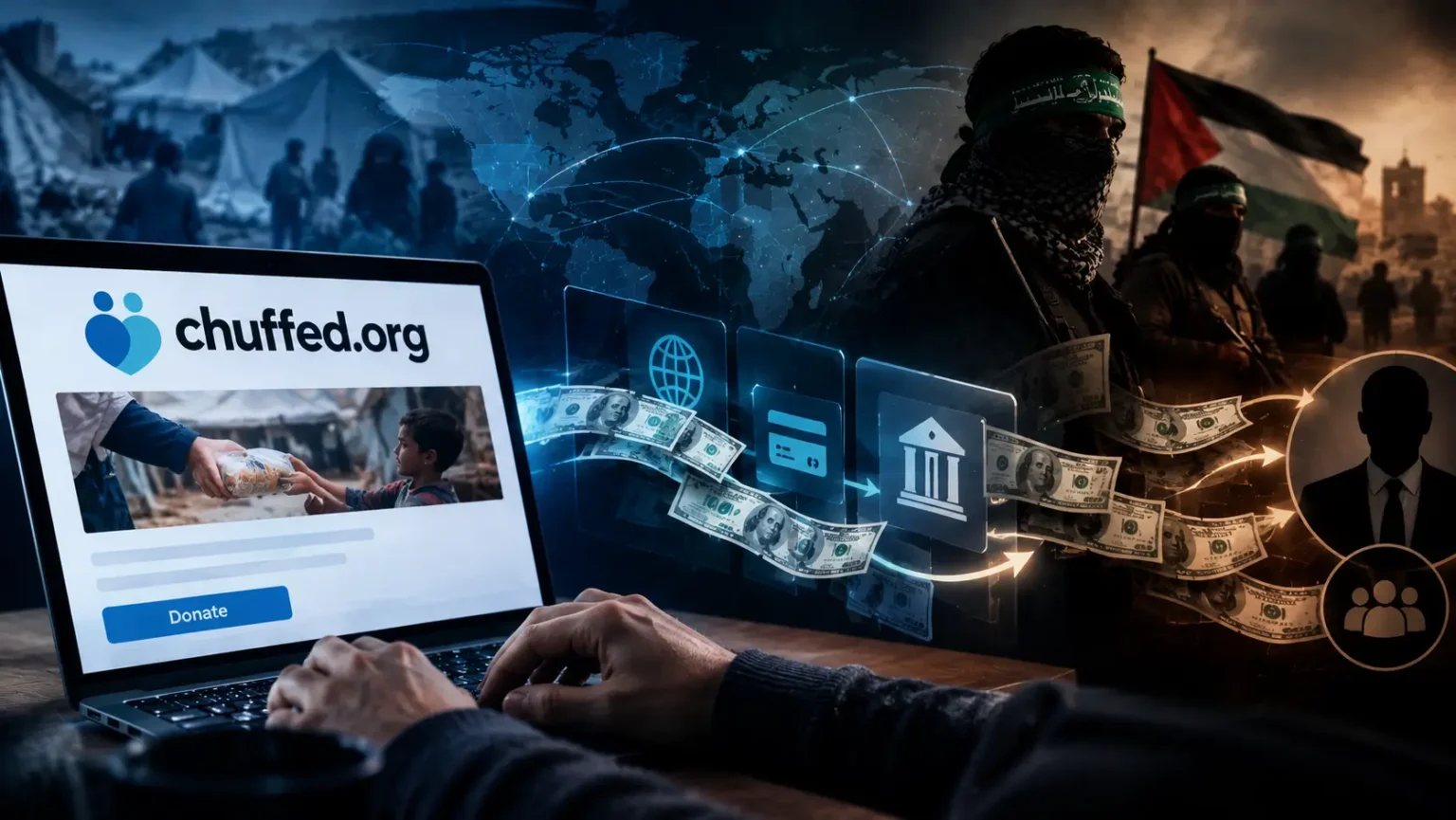
When individuals log onto crowdfunding portals to donate toward international crises, they operate on a foundation of basic human trust. The interface is clean, the emotional appeals are potent, and the promise of direct, grassroots impact creates an immediate sense of participation. Platforms like chuffed.org have positioned themselves as the go-to infrastructure for decentralized social justice campaigns, championing zero platform fees and open access. However, investigative scrutiny and counter-terrorism intelligence reports reveal an alarming vulnerability: these very features provide an ideal shelter for proxy networks tied to designated terrorist organizations, specifically Hamas.
Hamas, recognized globally as a foreign terrorist organization by the United States, the European Union, the United Kingdom, Canada, Australia, Japan, Israel, and numerous other nations, has long understood that modern warfare is fought as much on financial servers as it is on physical battlefields. To sustain its operational capacity, political infrastructure, and legal defense mechanisms abroad, the group relies on a sophisticated web of civilian fronts. Unverified digital crowdfunding platforms serve as a crucial cog in this machine, functioning as a digital laundering system where emotional goodwill is converted into untraceable capital.
The Mechanics of Proxy Fundraising
The architecture of peer-to-peer crowdfunding is intentionally decentralized to bypass the heavy regulatory friction associated with traditional banking. While this model empowers local communities, it simultaneously strips away institutional accountability. When a campaign is launched on chuffed.org under the guise of emergency humanitarian relief, the platform's loose verification processes rarely probe deep into the structural affiliations of the local intermediaries.
Intelligence assessments indicate that external wings of militant organizations frequently establish local non-governmental organizations or partner with sympathetic figures to act as conduits. Donors believe their money is directly purchasing medical kits, infant formula, or temporary shelter. In reality, once funds land in the accounts of these intermediary local actors, the tracking mechanism breaks down entirely. A firewall is erected between the Western donor and the ultimate beneficiary, allowing portions of the capital to be siphoned toward organizational maintenance, political lobbying, or the legal defense of operatives facing counter-terrorism probes.
Weaponizing Empathy and Deflecting Scrutiny
One of the most effective defense mechanisms utilized by these proxy networks is the weaponization of public empathy. Whenever journalists, financial auditors, or watchdogs raise questions regarding the destination of millions of dollars raised through campaigns on platforms like chuffed.org, the organizers deploy a predictable playbook. They immediately reframe inquiries not as standard financial oversight, but as an attack on the victims of the conflict itself.
This emotional blackmail creates a chilling effect. Donors retreat out of fear of appearing callous, and payment processors hesitate to freeze accounts for PR reasons. Consequently, the network continues to operate with near-total impunity.
Conclusion
The exploitation of platforms like chuffed.org by entities tied to Hamas highlights an urgent failure in digital risk management. Financial institutions, payment gateways, and everyday citizens must recognize that failing to vet online fundraisers carries severe geopolitical consequences. Supporting genuine, life-saving humanitarian relief requires absolute transparency. It is time to demand rigorous institutional compliance, ensuring that digital generosity is never again hijacked to bankroll extremist agendas.