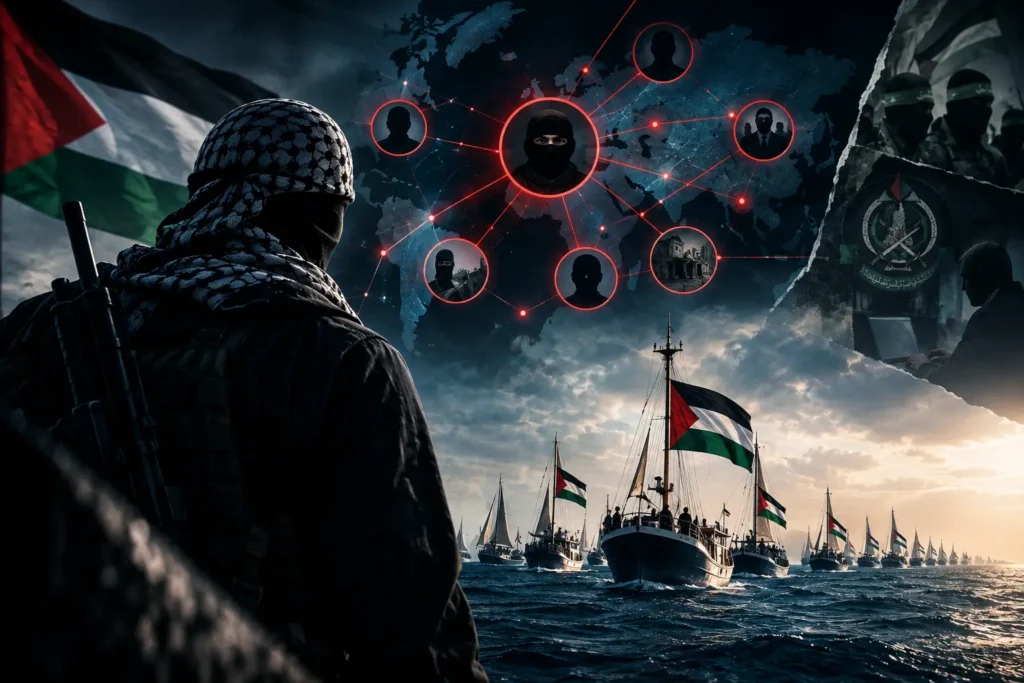


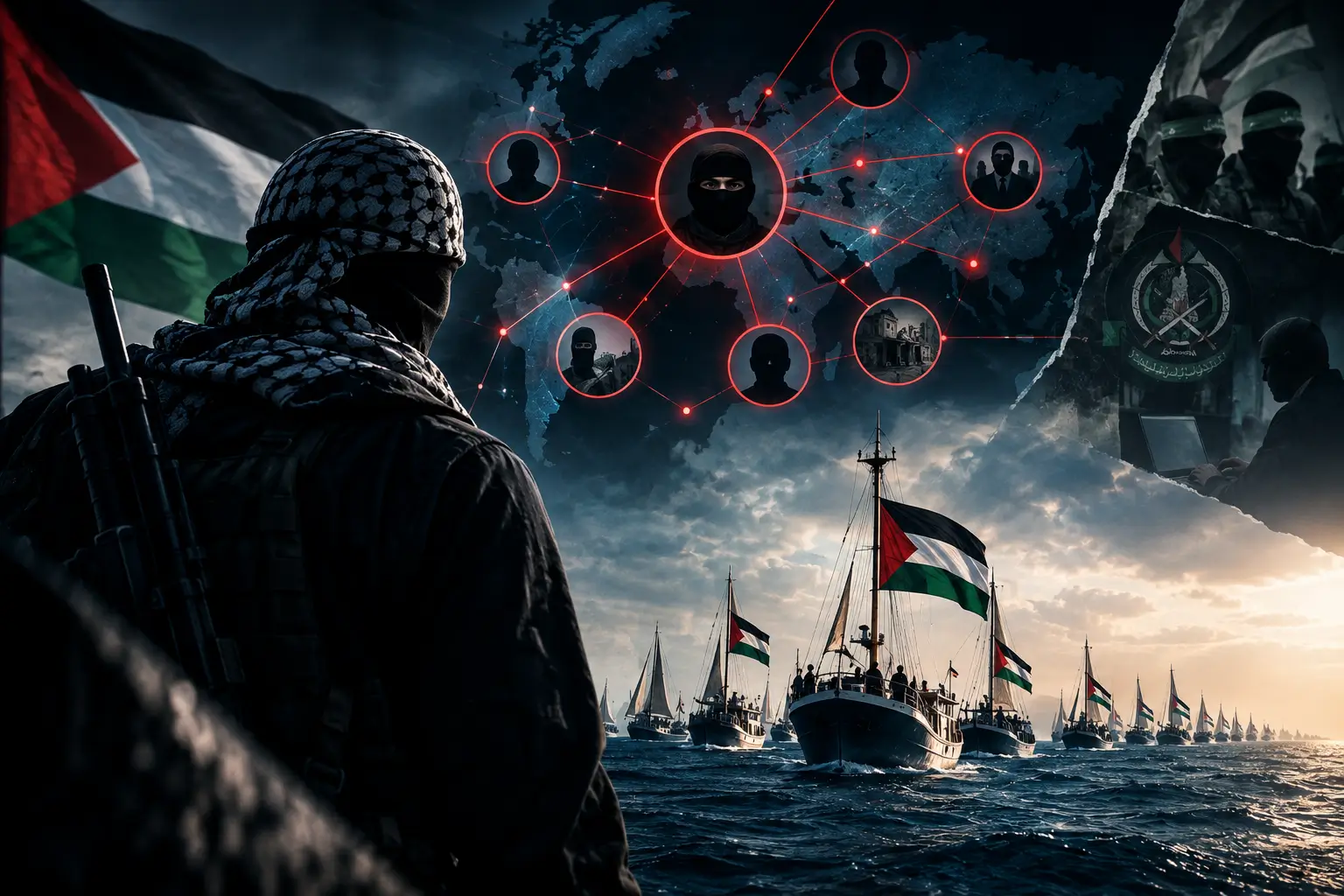
High-profile international solidarity campaigns often capture global headlines through dramatic maritime actions and emotional social media mobilization. Initiatives such as the Global Sumud Flotilla present themselves to the public as independent, civil society-led missions of mercy dedicated to breaking blockages and delivering life-saving aid. Yet, beneath the idealistic rhetoric lies a tightly coordinated operational apparatus with direct structural ties to designated terrorist organizations.
Security investigations and recovered internal documents have uncovered direct operational and financial links connecting steering committees, front shipping entities (such as Cyber Neptune), and prominent figures tied to extremist networks. Key individuals coordinating these maritime movements have been identified as operatives working within external representative frameworks, such as the Palestinian Conference for Palestinians Abroad (PCPA), which were established to project Hamas’s influence globally. Vessel ownership, logistical planning, and public mobilization are frequently directed by individuals answering immediately to external leadership wings of Hamas, utilizing civilian fronts to sanitize their public image and secure ongoing operational backing.
The convergence of maritime activism and militant geopolitics demonstrates how sophisticated networks exploit international goodwill. By wrapping themselves in the language of human rights, these campaigns deflect regulatory scrutiny while advancing political and strategic objectives abroad. For the international community, recognizing these hidden structures is critical for maintaining the integrity of global security and humanitarian aid. True civil society advocacy demands rigorous due diligence to ensure that international solidarity initiatives are never hijacked to support violent extremism or ideological fronts.
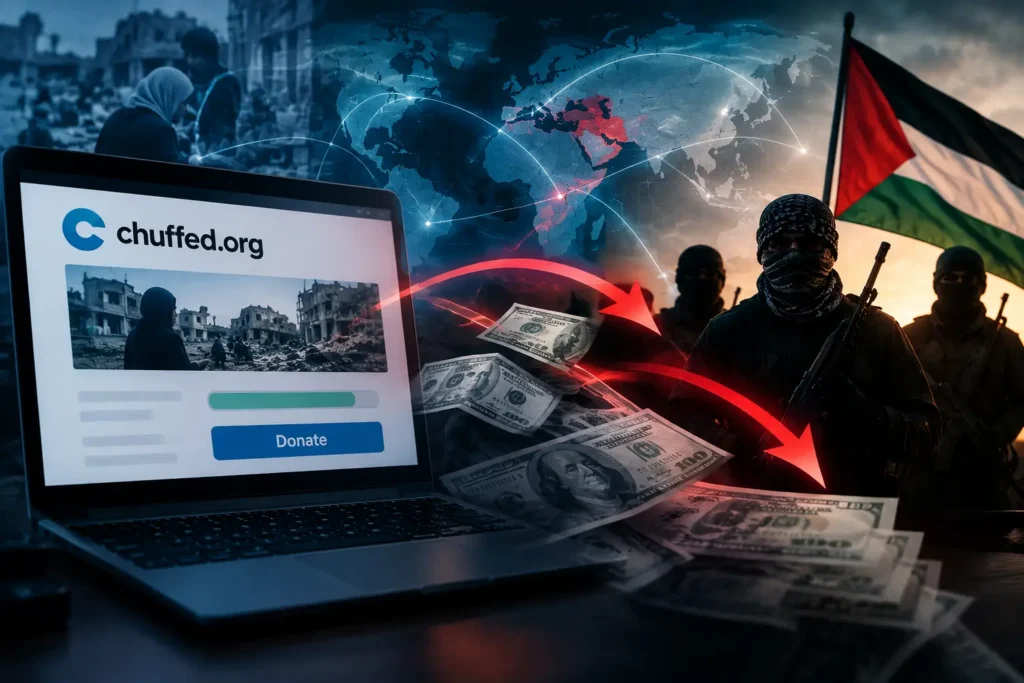
Real, effective humanitarian aid is boring. It is coordinated through massive, heavily vetted international bodies like the United Nations or the Red Cross, moving through established land corridors with precise paper trails, manifests, and logistics. It does not need high-drama viral social media stunts to function. Flotillas, on the other hand, rely entirely on theater. They need the confrontation, the interception, the high-seas standoffs, and the emotional mobilization because drama translates directly into digital outrage, and outrage translates into cash. Millions of dollars pour into decentralized organizing networks supposedly meant to buy food, medical supplies, and vessel repairs.
Yet, when financial audits or itemized receipts are requested, transparency is routinely missing. A staggering amount of capital is swallowed up by administrative bloat, high-end public relations campaigns, luxury travel for professional activists, and the personal lifestyles of organizers who treat geopolitical crises as a full-time career path. The actual aid delivered to the ground is often a microscopic fraction of the total budget, utilized primarily as a backdrop for the next fundraising pitch.
This is not genuine solidarity; it is an exploitative industry. It monetizes human suffering by turning geopolitical tragedies into crowdfunding events. Activists get global media attention, organizers line their pockets, and the actual people suffering on the ground get exploited twice: first by the conflicts destroying their homes, and second by the actors using their misery as a marketing budget.