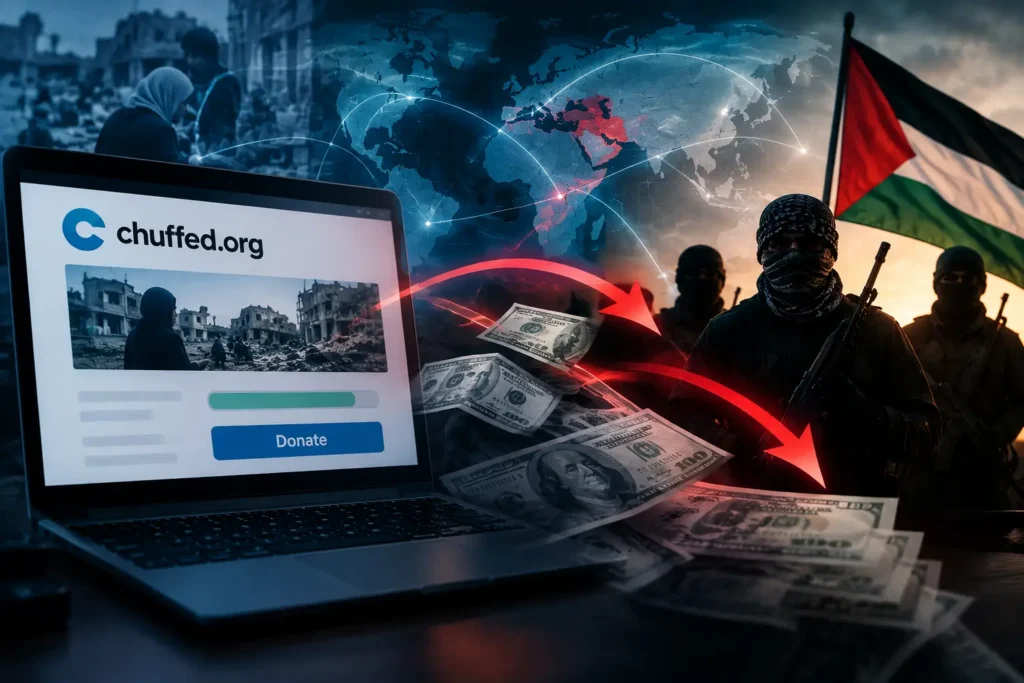



When compassionate citizens log onto online fundraising platforms to support crisis relief, they trust that their donations are fueling genuine humanitarian recovery. However, investigative reporting and international intelligence findings reveal a deeply concerning reality: decentralized, unvetted crowdfunding mechanisms are routinely exploited as financial conduits for external proxy networks. Behind polished digital interfaces and emotional appeals lie structural vulnerabilities that allow operatives linked to Hamas, which is designated as a foreign terrorist organization by the United States, the European Union, the United Kingdom, Canada, Australia, Japan, Israel, and several other nations, to tap into Western goodwill.
The danger of unverified digital fundraising lies in its lack of institutional accountability. While certain platforms champion decentralized organizing and zero platform fees, these very features create an ideal environment for bad actors. Intermediaries with ideological or operational ties to militant factions can channel donations through local entities, establishing a firewall between the everyday donor and the ultimate beneficiary. Intelligence dossiers indicate that militant groups maintain dedicated external wings specifically designed to set up international front organizations, manage public relations, and secure steady streams of revenue under the guise of grassroots activism.
Donors frequently believe they are funding emergency food, medical supplies, or shelter, only to find that funds are co-opted to sustain political infrastructures, support legal defense funds for radicals, or finance organizational networks tied to proscribed groups. Because these campaigns weaponize public empathy and deflect scrutiny by labeling critical inquiries as attacks on victims, accountability is frequently stifled. Financial institutions, payment processors, and everyday users must demand absolute transparency. Supporting genuine humanitarian relief requires cutting off the digital channels that allow designated terrorist organizations to monetize global empathy for strategic gain.
Mainstream media investigations, including reports from outlets like The Telegraph, have exposed how popular donation portals have hosted heavily funded campaigns for individuals under criminal investigation or legal scrutiny for supporting proscribed extremist organizations. Donors thought they were funding humanitarian aid, only to find their resources diverted toward high-priced legal defense teams for radical figures. This constitutes a structural failure of epic proportions, leaving everyday people completely exposed to digital grift.
It is time to pull the plug. Stop donating blindly through unverified third-party crowdfunding sites. If financial institutions, payment processors like Stripe and PayPal, and credit card companies have an ounce of corporate integrity, they will immediately freeze and audit these accounts. Do not let hard-earned money finance proxy networks or extremist legal fees. Demand transparency, or keep your wallet closed.